
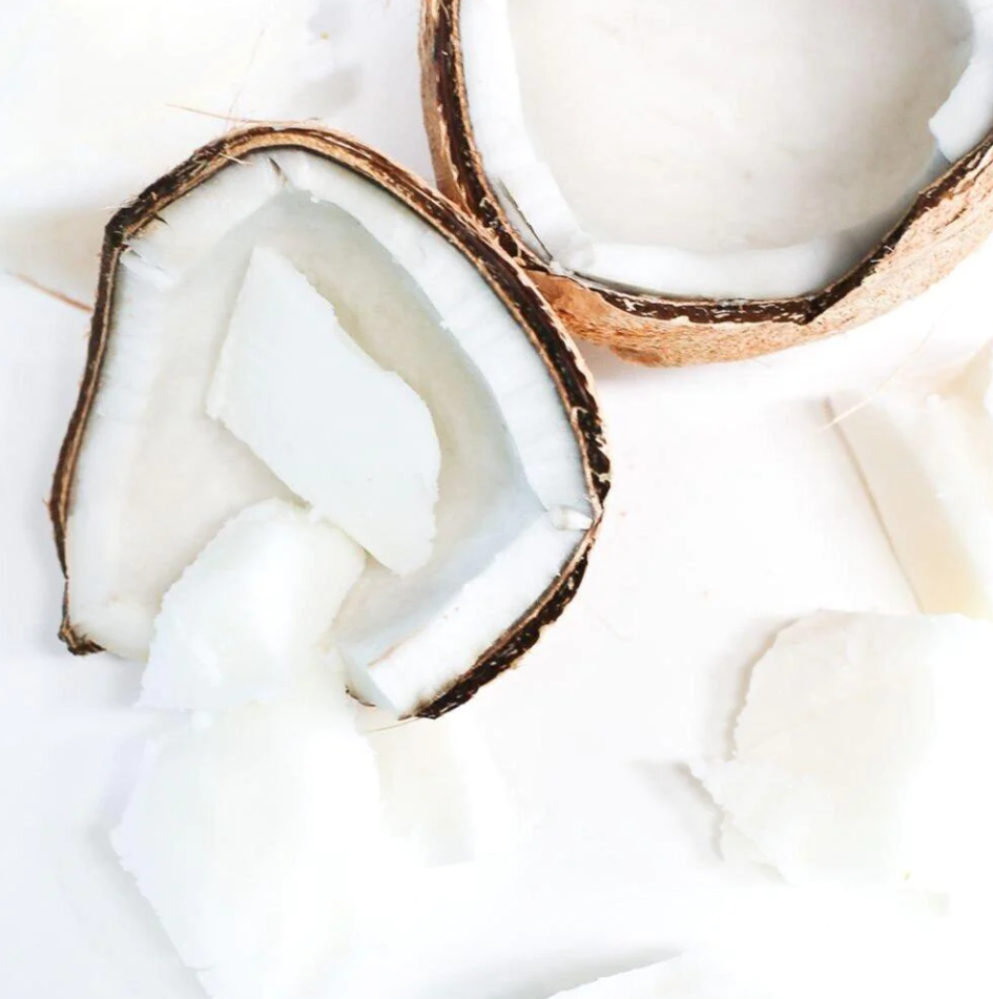
Coconut wax is a modern and distinctive choice in the world of candle making, combining a luxurious appearance, a smooth texture, and excellent fragrance retention. Thanks to its plant-based origin and creamy feel, it has become a favorite among candle makers seeking a high-quality material suitable for crafting luxurious scented candles.
What is coconut wax?
Coconut wax is a vegetable wax, often produced from coconut oil after processing and transformation into a solid or semi-solid waxy consistency. It is characterized by its natural white color, smooth texture, and high solubility and miscibility with essential oils.
Coconut wax is commonly used in container candles such as glass and ceramic jars, and it can also be combined with other types of wax such as soy wax or beeswax to improve texture, stability, and burning time.
Advantages of coconut wax
1. Smooth texture and luxurious appearance
Coconut wax is characterized by its smooth, creamy texture and elegant white appearance, making it suitable for luxury candles and products that rely on a sophisticated finish.
2. Very suitable for scented candles
One of the most prominent features of coconut wax is its high ability to carry and distribute essential oils well inside the candle, which helps to release the fragrance in a gentle and balanced way during use.
3. Quiet and clean burning when used correctly
When using a suitable wick and a balanced fragrance ratio, coconut wax can provide a calm and stable burn, with less soot formation compared to some other types of wax.
4. Plant source
Since coconut wax is derived from a plant source, it is a suitable option for those who prefer to use plant-based materials in candle making, especially in natural or luxury products.
5. Ideal for wax blends
Coconut wax is often used in mixtures with other types of wax, such as soy wax or beeswax, to improve the candle's softness, enhance the fragrance, or adjust the degree of hardness depending on the type of product required.
Uses of coconut wax in candle making
Container candles
Coconut wax is an excellent choice for container candles, such as those poured into glass jars, ceramics, or special mugs, because of its smooth texture and luxurious appearance after hardening.
Luxury scented candles
Thanks to its good ability to hold scents, coconut wax is often used in the manufacture of high-quality scented candles, especially candles that rely on a soft and lasting fragrance experience.
Mixtures with soy wax
Coconut wax can be mixed with soy wax to create a softer-looking candle, while improving fragrance diffusion and consistency.
Mixtures with beeswax
It can also be combined with beeswax to add greater solidity and a luxurious natural touch, especially when it is desired to improve the candle's structure or enhance its final quality.
Comparing coconut wax to other types of wax
Compared to paraffin wax
Coconut wax is plant-based, while paraffin wax is derived from petroleum. Therefore, coconut wax is a suitable choice for those seeking a plant-based material and a smoother, more luxurious appearance.
Compared to soy wax
Both are plant-based options, but coconut wax typically has a softer texture and excellent scent retention, while soy wax is widely available and versatile in container and mold candles.
Compared to beeswax
Beeswax is more solid and has a natural, honey-like scent, while coconut wax is softer and more suitable for use in container candles and luxury scented candles.
Tips for using coconut wax
1. Use it in container candles
Due to its soft nature and relatively low melting point, coconut wax is preferred for container candles rather than candles that require high hardness such as pillar candles.
2. Pay attention to the choice of wick.
Choosing the right wick is crucial for a balanced burn. You may need to experiment with different wick sizes depending on the diameter of the container and the proportion of essential oil used.
3. Add the perfume at a suitable temperature.
For the best fragrance distribution, add the essential oil after the wax has completely melted and reached a suitable temperature, then stir the mixture well to ensure the fragrance is blended with the wax.
4. Test the mixtures before production.
If you are using coconut wax in a mixture with soy wax or beeswax, it is best to do a small trial first to test the texture, surface, wick, and fragrance diffusion.
5. Store it correctly
To preserve its quality and texture, store coconut wax in a cool, dry place, away from direct sunlight and high heat.
Is coconut wax suitable for candle making?
Yes, coconut wax is ideal for candle projects targeting luxury products or high-quality scented candles. It provides a smooth, elegant finish and enhances the fragrance experience, making it a suitable choice for brands looking to offer a distinctive and sophisticated product.
Summary
Coconut wax is a luxurious and distinctive plant-based choice for candle making, especially container and scented candles. It is characterized by its smooth texture, elegant appearance, and excellent fragrance retention. It can be used alone or blended with other waxes to enhance the final candle's properties.
At Craft, you can find the right materials and tools for candle making, helping you to easily implement your ideas and achieve professional results.